
Chatbots are automated conversational agents used to interact with users via text messages. They are becoming increasingly popular and more and more companies are using chatbots to improve their customer service and increase the efficiency of their business processes. In this article, we will discuss the benefits of chatbots on your website, how to choose the right chatbot for your business, how to train your chatbot for optimal performance, how to create a conversation flow for your chatbot, how to integrate chatbots with other tools on your website, how to set up a chatbot user interface, how to monitor your chatbot's performance, how to adapt your chatbot to changing user needs, how to provide a seamless user experience with your chatbot and how to measure the ROI of your chatbot implementation.
Summary
- Chatbots on your website offer benefits such as 24/7 availability and fast customer service.
- Choose the right chatbot for your business based on functionality and budget.
- Train your chatbot for optimal performance by using machine learning and natural language processing.
- Create a conversation flow for your chatbot to improve the user experience.
- Integrate chatbots with other tools on your website, such as CRM systems and e-commerce platforms.
The benefits of chatbots on your website
One of the main benefits of using chatbots on your website is improving customer service. Chatbots can answer questions and solve problems quickly and efficiently, giving customers instant support without having to wait for a human employee. This improves the overall customer experience and increases customer satisfaction.
Another advantage is that chatbots can increase the efficiency and productivity of your business. They can automate routine tasks, such as answering frequently asked questions, scheduling appointments and processing orders. This saves time and resources, allowing your employees to focus on more complex tasks.
In addition, chatbots can bring cost savings to your business. By automating routine tasks, you can reduce the number of human employees needed to perform these tasks. This can lead to lower staff costs and higher operational efficiency.
Another advantage of chatbots is their 24/7 availability. Unlike human employees, chatbots can answer questions and solve problems at any time of the day. This makes for better customer service and satisfaction as customers can get instant answers even outside normal business hours.
Choosing the right chatbot for your business
Choosing the right chatbot for your business starts with understanding your business needs. What are the main goals you want to achieve with a chatbot? Do you want to improve customer service, increase efficiency or save costs? By clearly defining your goals, you can better determine what features and capabilities you need in a chatbot.
Identifying the right chatbot features is also essential. Should your chatbot be able to understand and process natural language? Should it be able to integrate with other tools and systems on your website, such as CRM systems or e-commerce platforms? Should it be able to provide personalised responses based on user information? Answering these questions will help you identify the right chatbot features to suit your business needs.
Evaluating chatbot providers is also an important step in choosing the right chatbot for your business. There are many chatbot providers on the market and it is important to compare their features, prices and customer reviews before making a decision. It is also a good idea to request a demo or trial period to see the chatbot in action and assess whether it meets your expectations.
Training your chatbot for optimal performance
Training your chatbot is essential to achieve optimal performance. It starts with defining clear goals for your chatbot. What do you want your chatbot to achieve? Should it be able to answer questions, solve problems, generate leads or something else? By setting clear goals, you can better train your chatbot to achieve these goals.
Creating a knowledge base is also important when training your chatbot. A knowledge base contains all the information your chatbot needs to answer questions and solve problems. It can consist of frequently asked questions, product information, manuals and other relevant information. By creating a comprehensive knowledge base, you can ensure that your chatbot provides accurate and useful answers to users.
Testing and refining your chatbot's responses is also an important part of the training process. You can do this by having your chatbot interact with real users and collect their feedback. Based on this feedback, you can improve and refine your chatbot's answers to provide a better user experience.
Creating a conversation flow for your chatbot
Creating a conversation flow for your chatbot is important to ensure that users have a seamless and intuitive experience when interacting with your chatbot. This starts with mapping user scenarios. What are the different ways users can interact with your chatbot? What are the possible questions and problems they might have? By mapping these scenarios, you can design your chatbot's conversational flow.
Designing your chatbot's answers is also important when creating a conversation flow. You need to ensure that your chatbot provides clear and understandable answers based on users' questions and problems. It is also important to ensure that your chatbot can provide personalised answers based on user information, such as their name or previous interactions with your chatbot.
Incorporating natural language processing is also important when creating a conversational flow for your chatbot. Natural language processing enables your chatbot to understand and process human language, allowing users to interact with your chatbot naturally and intuitively. This improves the user experience and increases customer satisfaction.
Integrating chatbots with other tools on your website
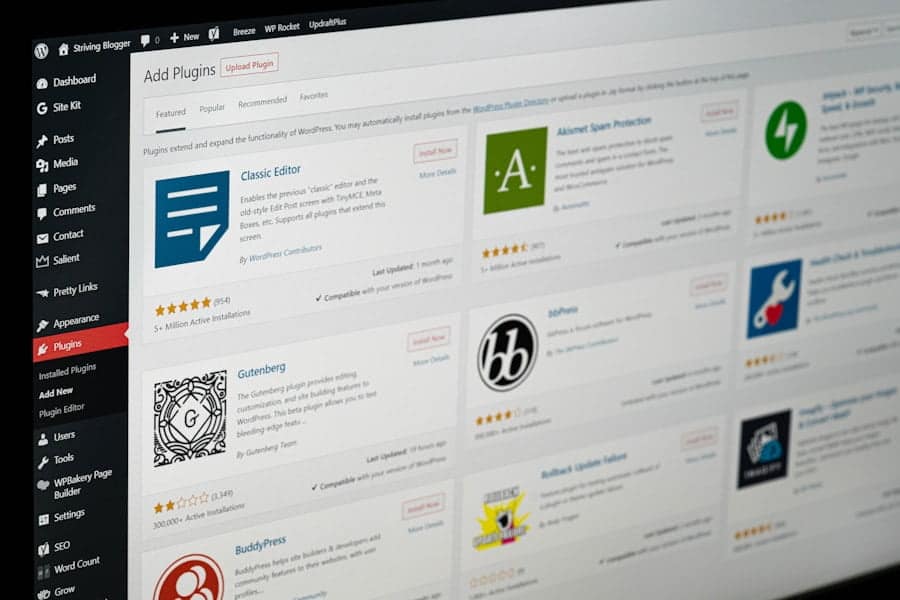
Integrating chatbots with other tools on your website can increase the functionality and value of your chatbot. One key integration is connecting chatbots to CRM systems. This allows your chatbot to collect and store customer information so that you can provide personalised responses based on this information. It can also help generate leads and manage customer relationships.
Integrating chatbots with social media platforms is also important. This enables your chatbot to interact with users via social media, such as Facebook Messenger or WhatsApp. This increases your chatbot's reachability and allows users to interact with your chatbot on their preferred platform.
Incorporating chatbots with e-commerce platforms is also an important integration. This enables your chatbot to provide product information, process orders and accept payments. This improves the user experience and makes it easier for users to make purchases through your chatbot.
Setting up a chatbot user interface
Setting up a chatbot user interface is important to ensure that users have an intuitive and user-friendly experience when interacting with your chatbot. An important aspect of the chatbot user interface is to design a chatbot interface that is clear and easy to use. This can be achieved by using clear and understandable text, well-placed buttons and an intuitive navigation structure.
Incorporating branding elements into your chatbot user interface is also important. This helps create consistency and recognition for your brand. You can incorporate your logo, colour scheme and other branding elements into the chatbot interface to provide a seamless brand experience for users.
Creating a user-friendly experience is also important when setting up a chatbot user interface. You need to ensure that users can easily navigate and interact with your chatbot. This can be achieved by using clear instructions, well-placed buttons and an intuitive user interface.
Monitoring the performance of your chatbot
Monitoring the performance of your chatbot is important to ensure that it works effectively and efficiently. You can track the performance of your chatbot by tracking its usage. How often is your chatbot used? What questions are asked the most? By analysing this data, you can gain insight into how your chatbot is being used and which areas may need improvement.
Analysing chatbot conversations is also important when monitoring performance. You can analyse conversations between your chatbot and users to see how well your chatbot answers questions and solves problems. You can also look at user satisfaction and identify any issues or complaints that need to be addressed.
Identifying areas for improvement is also important when monitoring the performance of your chatbot. Based on the data and analytics you collect, you can identify areas that may need improvement. This could include updating replies, adding new features or adjusting the call flow.
Adapting your chatbot to changing user needs
Adapting your chatbot to changing user needs is important to ensure it remains relevant and effective. This can include updating answers to take into account new questions or problems users have. It can also include adding new features to meet changing needs or trends in the market.
Adding new features to your chatbot can also help improve the user experience. For example, you might consider integrating your chatbot with voice recognition technology, allowing users to interact with your chatbot using their voice. This can increase accessibility and provide a more intuitive experience for users.
Incorporating user feedback is also important when adapting your chatbot to changing user needs. You can collect feedback from users through surveys, reviews or direct communication and use this feedback to improve and adapt your chatbot to users' needs and wants.
Providing a seamless user experience with your chatbot
Providing a seamless user experience with your chatbot is important to ensure that users are satisfied and happy to return. A seamless user experience means that the chatbot is intuitive and easy to use, with a clear and understandable interface. It is important that the chatbot responds quickly and accurately to users' questions and requests, so that they do not get frustrated or feel that their time is being wasted. In addition, the chatbot should be able to understand and respond to natural language so that users can interact with the chatbot naturally. It is also important to regularly update and improve the chatbot based on user feedback so that it gets better and better at answering questions and providing relevant information. By ensuring a seamless user experience with your chatbot, you can ensure that users are satisfied and keep coming back for more interactions with your chatbot.
If you are looking for tips on how to implement chatbots on your website, it is also important to know how to have a successful website created. In the ultimate guide to having a website created, you will find all the information about the costs and options you have. In addition, it is also useful to know what web design tips you can apply to create a successful website. Another important factor for a user-friendly website is user testing. In the article "User testing: the key to user-friendly products", you will learn more about the importance of user testing and how to apply it to your website.
FAQs
What are chatbots?
Chatbots are automated programmes programmed to interact with users via chat interfaces. They can be used to answer questions, provide information, place orders and much more.
Why should I implement chatbots on my website?
Chatbots can improve the customer experience by providing fast and efficient support. They can also help reduce the workload of your customer service team and can be available to customers 24/7.
How can I implement a chatbot on my website?
There are several ways to implement a chatbot on your website, including using chatbot software or hiring a developer to create a customised chatbot. Make sure you integrate the chatbot with your website and that it is easily accessible to users.
What types of questions can a chatbot answer?
Chatbots can be programmed to answer a wide range of questions, from simple questions about opening hours to complex questions about products and services. It is important to train the chatbot to answer your customers' most common questions.
How can I make sure my chatbot is effective?
To ensure your chatbot is effective, make sure it is well-trained and capable of answering your customers' most common questions. You can also consider integrating your chatbot with other tools, such as CRM systems, to improve efficiency. It is also important to regularly evaluate and optimise the chatbot based on customer feedback.