
Having a website is of great importance for businesses and individuals these days. It has become an essential part of marketing strategy and provides a platform to share information, sell products or services and connect with customers. However, having a website can also come at a cost. Several factors determine the cost of a website, such as complexity, customisation and personalisation, hosting and domain name, and maintenance and updates.
Summary
- The cost of a website is determined by several factors, such as the type of website, functionalities and design.
- By 2023, the average cost of a website is expected to be between €2,500 and €10,000.
- The costs of a website vary depending on the type of website, for example a simple informative website or a complex web shop.
- Functionalities such as a webshop, booking module or chat function affect the price of a website.
- The cost of designing a website can range from several hundred to thousands of euros, depending on the complexity and requirements of the client.
What determines the cost of a website?
The cost of a website is determined by several factors. First, the complexity of the website plays a role. A simple informative website with only a few pages will cost less than a complex e-commerce website with multiple functionalities. In addition, customisation and personalisation can increase costs. Adding specific design elements or functionalities may require extra time and effort from the developer, resulting in higher costs.
Hosting and domain name are also important factors that determine costs. Hosting a website on a reliable server can be expensive, especially if you expect a lot of traffic or have special requirements. In addition, you also have to pay for a domain name, which has to be renewed annually.
Finally, websites need to be maintained and updated regularly to keep functioning optimally. This can also incur costs, especially if you hire a professional to do it for you.
The average cost of a website in 2023
Predicting the exact cost of a website in the future is difficult because it depends on several factors, such as the economic situation and technological developments. However, there are some trends and predictions that can help in estimating costs.
One trend we see is that websites are becoming more sophisticated and include more functionalities. This can lead to higher costs, as developing and maintaining these functionalities requires more time and expertise. In addition, hosting and domain name costs may also rise, depending on the demand for these services.
Factors that can influence costs include the availability of developers and designers, competition in the market and demand for websites. For example, if there is high demand for websites, prices may rise because developers can charge higher rates.
The different types of websites and their costs
There are different types of websites, each with their own costs. A basic informative website with only a few pages will generally cost less than an e-commerce website with an extensive product range and payment options.
An e-commerce website can vary in price depending on the number of products you want to sell, the complexity of the payment system and integration with other systems such as inventory management. A blog website can also vary in price depending on the number of blog posts you want to publish and the functionalities you want to add, such as comments and social media integration.
A portfolio website can vary in price depending on the number of projects you want to display and the complexity of the design. In general, the more features and customisations you want, the higher the cost will be.
The influence of functionalities on the price of a website
Functionalities can have a big impact on the price of a website. Interactive features such as forms, chatbots and videos can cost extra, as they require more time and expertise to develop. Social media integration can also incur additional costs, as linking your website to social media platforms requires technical expertise.
Another important factor is the mobile responsiveness of a website. Optimising a website for mobile devices can incur additional costs because the design and functionalities need to be adapted to different screen sizes.
Finally, security features such as SSL certificates and firewalls can incur additional costs as they require additional security measures to protect your website from hackers and malware.
Website design costs
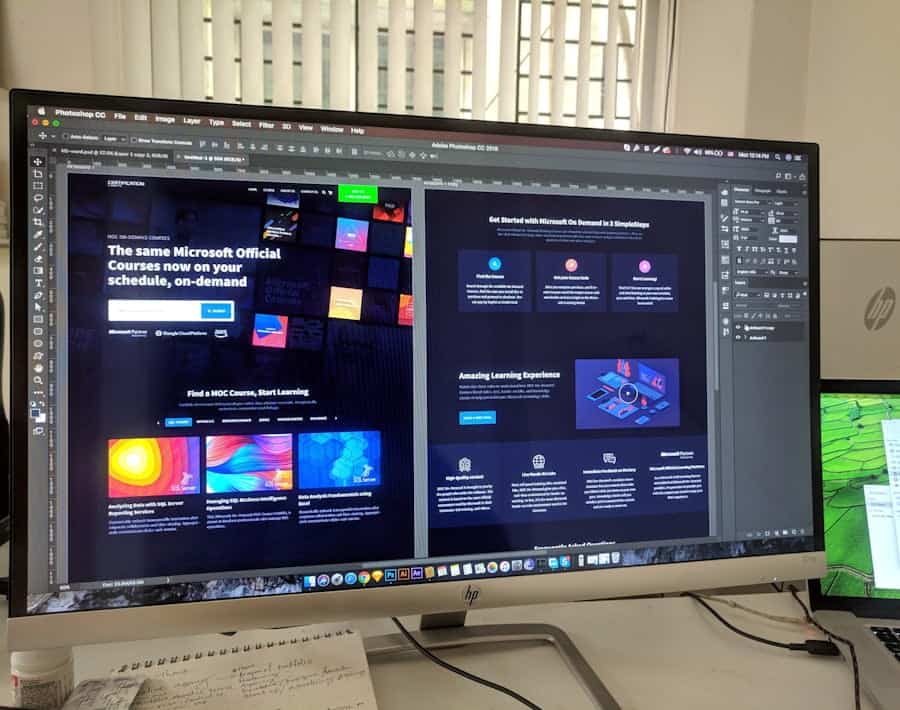
Hiring a professional designer can be expensive, but it can also result in a unique and professional design that reflects your brand and message well. The advantage of hiring a professional is that they have the expertise to design a website that meets your specific needs and goals.
Another option is to use website builders, such as Wix or WordPress, which allow you to design your own website without technical knowledge. These builders often offer templates and drag-and-drop functionalities, making the design process easier. However, the downside is that your website may not look as unique and you will be limited in customisation options.
If you are handy with technology, you can also choose to design your website yourself. This can save costs, but it can also require more time and effort, especially if you are not experienced in web design.
The cost of content creation for a website
Creating content for your website is an important part of attracting visitors and getting your message across. Hiring a professional writer can be expensive, but it can result in high-quality content that is well-written and optimised for search engines.
If you want to cut costs, you can choose to write the content yourself. However, this may require more time and effort, especially if you are not experienced in writing for the web. Another option is to use templates and pre-written content, but this may make your website less unique.
The price of website maintenance and updates
Maintaining and updating your website regularly is essential to ensure that it continues to function optimally and is secure from threats. Hiring a professional for maintenance can come at a cost, but it can also provide peace of mind knowing your website is in good hands.
If you are handy with technology, you can also choose to do the maintenance yourself. This can save costs, but it can also require more time and effort, especially if you are not experienced in web development.
The cost of search engine optimisation (SEO) for a website
Search engine optimisation (SEO) is an important part of attracting organic traffic to your website. Hiring an SEO specialist may come at a cost, but it can also result in higher search engine rankings and more visitors to your website.
If you want to cut costs, you can choose to get started with SEO yourself. However, this may require more time and effort, especially if you are not experienced in SEO techniques.
Additional costs for e-commerce functionalities on a website
If you have an e-commerce website, there may be additional costs associated with the functionalities needed to sell products. This may include payment processing costs, as well as shipping and handling costs. There may also be inventory management costs, such as using an inventory management system.
Tips and tricks to save on website costs
There are several ways you can save on website costs. One option is to use free website builders, such as WordPress or Wix, which offer templates and drag-and-drop functionalities. You can also negotiate the price of their services with professionals, especially if you have multiple projects or want to enter into a long-term collaboration.
If you are handy with technology, you can also choose to design and maintain your website yourself. This can save costs, but it can also require more time and effort, especially if you are not experienced in web development.
Conclusion
Having a website is of great importance for businesses and individuals these days. It provides a platform to share information, sell products or services and connect with customers. The cost of a website can vary depending on various factors such as complexity, customisation and personalisation, hosting and domain name, and maintenance and updates.
It is important to carefully consider the cost of a website and take into account your budget and goals. By researching and comparing different options, you can make the best choice for your specific needs. Investing in a professional website can help you grow your business and strengthen your online presence.
If you are interested in having a website made and are curious about the cost in 2023, the article "Cost of Having a Website Made: What Will It Cost In 2023?" on Webtik.co.uk is highly recommended. But if you want to know more about other web-related topics, such as tips for creating a stunning website with Wix, you can also read the article "Create a Stunning Website with Wix" on the same website. For more information or to contact Webtik.co.uk directly, please visit their contact page.
FAQs
What is the average cost of having a website created in 2023?
The average cost of having a website created in 2023 varies widely, depending on the size and complexity of the website. In general, costs can range from €500 to €10,000 or more.
What are the main factors that determine the cost of a website?
The main factors that determine the cost of a website include the design, functionality, complexity, size of the website and the amount of content to be created.
What are the different types of websites and how do they affect costs?
There are different types of websites, including e-commerce websites, portfolio websites, blog websites and corporate websites. Each type of website has its own unique features and functionalities, which can affect the cost.
What are the advantages of hiring a professional website developer?
Hiring a professional website developer can offer many benefits, including a higher quality of work, faster development time, better functionality and a better user experience.
Are there ways to reduce the cost of having a website created?
Yes, there are several ways to reduce the cost of having a website created, such as using an existing website design, limiting functionality and reducing the amount of content to be created. However, it is important to ensure that these savings do not come at the expense of the quality of the website.